
The check engine light is key when it comes to diagnosing the health of your car’s engine. It provides essential information like fuel efficiency, emissions levels, and any signs of potential malfunction, making it essential to check at regular intervals. But if the light is blinking, your vehicle is signaling more serious issues.
In this article, we’ll go over what a blinking check engine light means, what triggers it, and what to do about it.
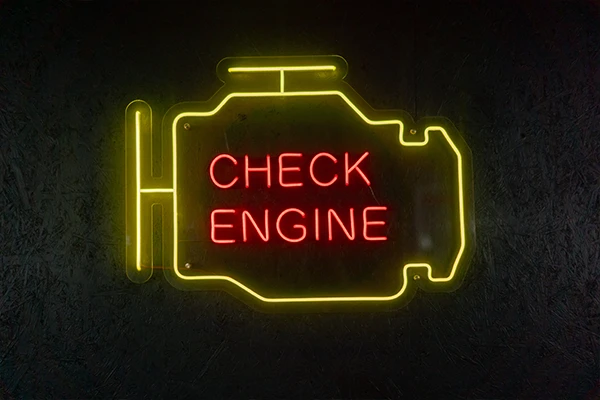
What Does a Blinking Check Engine Light Mean?
While a check engine light may be alerting you to issues within your powertrain, a blinking light is generally caused by one thing: a misfire.
What Is a Misfire?
A misfire occurs when one or more cylinders are unable to properly ignite the air-fuel mixture. Misfires in even one cylinder can lead to major efficiency and performance issues, as well as risking potential damage to surrounding components if left unaddressed. Here are some of the most common causes of a Misfire in your vehicle’s engine:
Faulty Spark Plugs
The spark plugs located in each cylinder are responsible for providing the spark necessary for ignition. If any of the spark plugs are faulty, they may cause a misfire. Spark plugs can fail for numerous reasons, whether it be old age or contamination from internal oil leaks. Faulty spark plugs need to be replaced immediately.
Clogged/Faulty Fuel Injectors
Similar to spark plugs, the fuel injectors are precisely timed components used to inject fuel into the combustion chamber. Fuel injectors can fail for many of the same reasons too, such as becoming clogged as a result of contamination or wear and tear, which prevents them from providing the necessary volume of fuel for proper combustion.
Bad MAF Sensor
The mass airflow sensor, or MAF, is the sensor used to monitor the amount of air entering the engine through the intake. Using this information, the engine control unit (ECU) alters the air-fuel ratio to ensure optimal performance and efficiency.
When this sensor becomes damaged, dirty, or fails for any other reason, it will prevent your vehicle from receiving a proper reading and could cause the air-fuel ratio to be incorrect. When the air-fuel mix contains too much of either, it can cause a misfire as the cylinder is unable to ignite it.
Vacuum Leak
A vacuum leak occurs when air is able to enter the engine without being accounted for, or “metered”. Unmetered air entering is generally due to a cracked hose that allows air to enter the system after the MAF sensor, meaning the vehicle will be unable to account for this air in its air-fuel ratio. Similar to a faulty MAF sensor, this can lead to a variety of problems within your powertrain, including a misfire and a blinking check engine light.
Low Fuel Pressure
Another potential cause for a misfire is low fuel pressure. This means the combustion chambers won’t be receiving an adequate flow of fuel to keep the engine running properly. Fuel pressure issues can occur due to blockages in fuel system components such as fuel lines or the fuel filter, or even due to failure of the fuel pump.
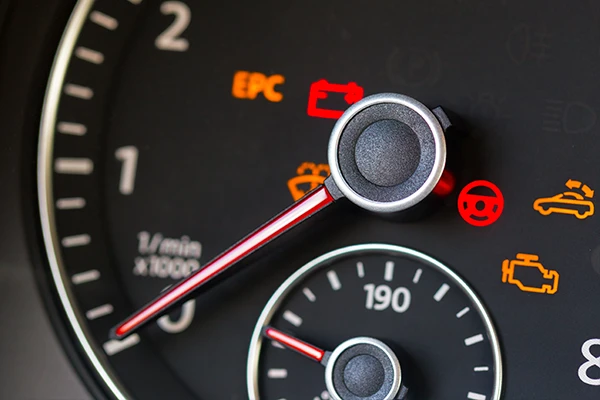
Engine Diagnostics in Federal Way, WA
Finding the right shop matters when you’re dealing with a blinking check engine light. At Northshore Automotive, we specialize in diagnosing and repairing the issues behind a check engine light, helping keep your vehicle in top condition. Our ASE-certified technicians bring extensive training and experience to every job, so repairs are done right the first time. Whatever the fix, we rely on high-quality parts and current techniques throughout, all backed by our 2-year/24,000-Mile Nationwide Warranty. Call us or schedule an appointment online!